
Bedtime routine for toddlers and kids: how long it should take, what time, and how much sleep
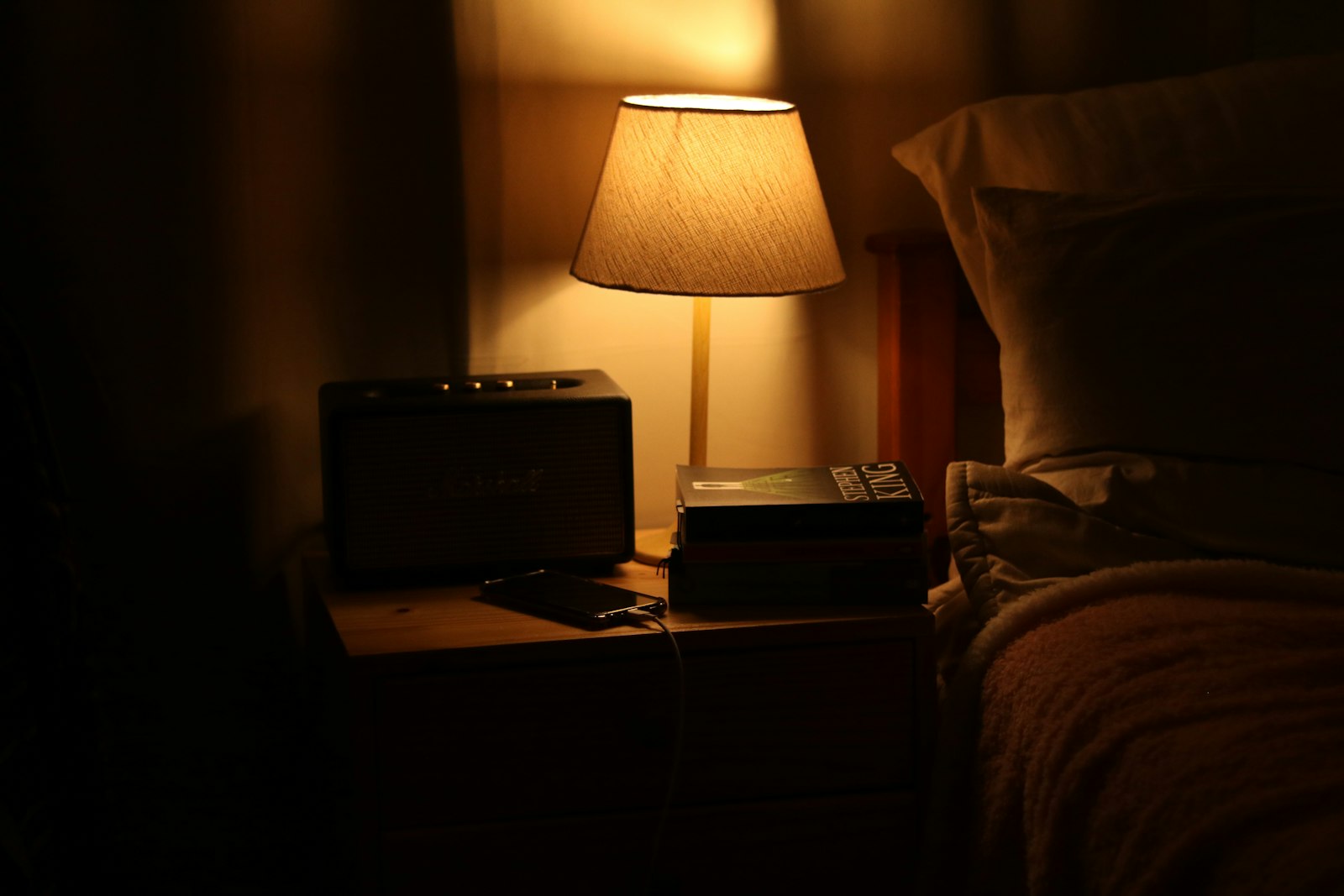
Photo: Alicia Christin Gerald / Unsplash
Children aged 1 to 2 need 11 to 14 hours of sleep in 24 hours, 3 to 5 year olds 10 to 13 hours (both including naps), and 6 to 12 year olds 9 to 12 hours. A good bedtime routine is short and the same every night: the American Academy of Pediatrics suggests starting it about 30 minutes before bedtime, with "brush, book, bed".
How much sleep does a child need?
The American Academy of Sleep Medicine (AASM) published these ranges in 2016, and the American Academy of Pediatrics (AAP) supports them. CDC's sleep page gives the same numbers. They are hours per 24 hours, so naps count.
| Age | Recommended sleep per 24 hours |
|---|---|
| 1–2 years (toddler) | 11–14 hours, including naps |
| 3–5 years (preschool) | 10–13 hours, including naps |
| 6–12 years (school age) | 9–12 hours |
So how much sleep does a 4 year old need? 10 to 13 hours, counting a nap if they still have one. A 7 year old: 9 to 12 hours. The ranges are wide on purpose: children differ, and a child who wakes up on their own, in a good mood, and gets through the day without falling apart is usually somewhere inside them.
What time should my child go to bed?
There is no single right bedtime. The useful question is when your child has to get up. Count back the recommended hours from the wake-up time and you have a window for when they should be asleep, not just in bed.
Worked example: your child has to be up at 7:00 am.
- A 5 year old who no longer naps (10–13 hours): asleep between 6:00 pm and 9:00 pm.
- A 7 year old (9–12 hours): asleep between 7:00 pm and 10:00 pm.
Then put the start of the bedtime routine about 30 minutes before that.
If your 5 year old still naps, the nap counts toward the 10 to 13 hours, so a later bedtime can be fine. For school nights, pick the later end of the window only if mornings still go smoothly; a child who is hard to wake every day probably needs an earlier night. The AAP notes that moving bedtime even 15 to 20 minutes earlier can make a big difference, and the NHS suggests shifting it by 5 to 10 minutes a week rather than all at once.
How long should a bedtime routine be?
About 30 minutes is a good target, and three reliable sources say so in their own words:
- The AAP's "Brush, Book, Bed" handout: start the routine every night at the same time, 30 minutes before bedtime.
- HealthyChildren.org (from the AAP), for school-age children: try to keep the bedtime routine to no more than 30 minutes, and keep sleep schedules fairly consistent, even on weekends.
- The NHS: start a "winding down" routine around 30 minutes before the time your child usually falls asleep.
Longer isn't better. A routine that keeps growing (one more book, one more glass of water) usually means bedtime itself has become the thing your child is negotiating. Keep the steps the same, keep them in the same order, and let the clock, not the debate, say when it's lights out.
A 30-minute bedtime routine, step by step
The AAP sums up the core as brush, book, bed: help your child brush their teeth, read a favourite book (or two), and go to bed at a regular time each night. Around that you can add a bath, pyjamas and a last trip to the toilet. Here is one example that fits into 30 minutes:
- Bath (10 minutes). Optional every night; a warm bath is a clear "the day is ending" signal.
- Pyjamas (5 minutes). Lay them out before the bath so there is nothing to choose.
- Teeth (2 minutes). Brush twice a day for 2 minutes with fluoride toothpaste: a smear about the size of a grain of rice under age 3, a pea-sized amount from 3 to 6. Children need help with brushing until about 8.
- Toilet (3 minutes).
- Book (10 minutes). Reading together is one of the parts the research links to more than sleep (see below).

Screens: the AAP recommends turning off all screens at least 60 minutes before bedtime and keeping TVs, computers, tablets and phones out of children's bedrooms. The NHS says not to let children look at laptops, tablets or phones in the 30 to 60 minutes before bed. If you use a timer app for the routine itself, use it on a device that stays outside the bedroom, and let the routine end before lights out.
Why a bedtime routine helps
- Better sleep, in a randomised study. In a 3-week study of 405 mothers of children aged 7 to 36 months, introducing a consistent nightly bedtime routine reduced problem sleep behaviours: children fell asleep faster and woke less often and for less time. The mothers' mood improved too (Mindell and colleagues, Sleep, 2009).
- The more consistent, the better. A survey of mothers of 10,085 children aged 0 to 5 in 13 countries found that a consistent bedtime routine went with earlier bedtimes, falling asleep faster, fewer night wakings and longer sleep, and the more nights a week it happened, the stronger the link (Mindell and colleagues, Sleep, 2015). This was a survey based on parents' reports, so it shows an association, not cause and effect.
- More than sleep. A 2018 review describes the nightly bedtime routine as a key factor in healthy sleep and in broader development and wellbeing in early childhood, including language, literacy, emotional and behavioural regulation and parent-child attachment (Mindell and Williamson, Sleep Medicine Reviews).
When bedtime keeps going wrong
- Same order, every night. Children can't argue with a sequence they already know. A picture for each step helps a child who can't read yet see what comes next.
- Show the time, don't announce it. "Five more minutes" means little to a 3 year old. A timer they can see shrinking (a sand timer, a pie) turns the end of the book into something they watch coming rather than a surprise.
- Watch the start time, not the end. Most late bedtimes start late. Put a reminder on the start of the routine.
- Weekends too. Keep the schedule fairly consistent on weekends, as the AAP recommends; a big shift makes Monday hard.
- Ask your paediatrician if your child snores loudly, is very hard to wake, or is sleepy in the day despite enough hours in bed.


This guide is general information about routines and sleep, not medical advice. If you're worried about your child's sleep, talk to your child's doctor.
- Paruthi S, et al. Recommended Amount of Sleep for Pediatric Populations: A Consensus Statement of the American Academy of Sleep Medicine. J Clin Sleep Med, 2016.
- CDC: About Sleep (hours by age).
- HealthyChildren.org (AAP): Healthy Sleep Habits: How Many Hours Does Your Child Need?
- HealthyChildren.org (AAP): Brush, Book, Bed: How to Structure Your Child's Nighttime Routine
- AAP: A Routine to Structure Your Child's Bedtime (Brush, Book, Bed handout, 2023, PDF)
- HealthyChildren.org (AAP): Bedtime Routines for School-Aged Children
- NHS: Sleep and young children
- HealthyChildren.org (AAP): Toothbrushing Tips for Young Children
- Mindell JA, et al. A nightly bedtime routine: impact on sleep in young children and maternal mood. Sleep, 2009
- Mindell JA, et al. Bedtime routines for young children: a dose-dependent association with sleep outcomes. Sleep, 2015
- Mindell JA, Williamson AA. Benefits of a bedtime routine in young children: Sleep, development, and beyond. Sleep Med Rev, 2018
All sources checked 20 November 2026.